


Food Testing Equipment
AED 22.50


Other Laboratory Equipment
4-6Kg/Batch Commerial Freeze Dryer / Lyophilizer for Small Food Business and Home Use
AED 0.00


Other Laboratory Equipment
AED 31,038.00


Other Laboratory Equipment
1-2Kg/Batch Mini Home Freeze Dryer for Food Vegetables Fruits Flowers Milk Coffee & Herb
AED 0.00
Other Laboratory Equipment
AED 45.00
-15%

Food Testing Equipment
AED 145.00


Instrumentation
AED 7,307.30
-7%
Water Testing Strips & Instrument
AED 145.00

Out of stock
Water Testing Strips & Instrument
3M™ Oil Quality Test Strips 1004, 40 Strips/Bottle, 4 Bottles/Case
AED 0.00
Laboratory and Food Testing Equipment by Caresource Global – Trusted Supplier in UAE, GCC, Africa, Philippines, and worldwide
Laboratory and food testing equipment is essential for analyzing food samples to ensure food safety, product quality, and regulatory compliance. These advanced instruments help detect pathogens, contaminants, chemical residues, allergens, and nutritional composition, protecting consumers from foodborne illnesses, and ensuring accurate product labeling.
Manufacturers, laboratories, and regulatory agencies rely on laboratory and food testing equipment to verify product authenticity, prevent adulteration, and maintain consistent quality throughout product and packaging processes.
What is laboratory and Food Testing Equipment?
Laboratory and Food testing equipment refers to a wide range of laboratory instruments and analytical devices used to evaluate the physical, chemical, microbiological, and nutritional properties of food products. These tools support quality control, research and development, and compliance with national and international food safety standards.
Purpose of Laboratory and Food Testing Equipment
1. Ensuring Food Safety (Microbiological and Chemical Testing)
Food safety testing equipment detects harmful microorganisms such as salmonella, E. Coli, and Listeria, as well as chemical hazards including pesticides, heavy metals, toxins, and allergens. Early detection reduces the risk of food contamination and outbreaks.
2. Quality Control and Quality Assurance
Quality control instruments analyze moisture content, fat, protein, pH, salt, acidity, and texture to ensure product consistency, taste, and appearance. This supports stable production and high customer satisfaction.
3. Regulatory Compliance and Label Verification
Food testing instruments help manufacturers comply with FDA ISO, HACCP standards by validating ingredients lists, nutritional values, and labeling accuracy.
4. Detection of Adulteration and contaminants
Advanced food analyzers identify food fraud, adulteration, and physical contamination such as metal, glass, and plastic. This is especially important for products like spices, oils, dairy, meat, and beverages.
5. Shelf life and Packaging Integrity Testing
Packaging testing equipment evaluates seal strength, barrier performance, and durability to protect food from moisture, oxygen, and microbial exposure ensuring longer shelf life and product safety.
Types of Laboratory and Food Testing Equipment, Benefits, and Applications:
Laboratory and Food testing equipment plays a vital role in ensuring food safety, quality control, and regulatory compliance across the global food and beverage industry. Modern food analysis instruments help detect pathogens, chemicals, residues, allergens, heavy metals, physical contaminants, and mycotoxins such as Aflatoxin B1, Aflatoxin B2, and Aflatoxin M1. These advanced systems also verify nutritional composition, shelf life, and product authenticity, supporting food manufacturers. Testing laboratories and regulatory authorities worldwide.
By using reliable laboratory testing equipment for food, organizations can minimize risks, prevent contamination, and maintain consistent product quality throughout the supply chain.
1. Chromatography Systems (HPLC, GC, and GC-MS)
Chromatography systems are essential analytical instruments for food testing used to separate, identify, and quantify chemical compounds in complex food matrices. Technologies such as high-performance liquid chromatography (HPLC), Gas Chromatography (GC), and Gas Chromatography Mass Spectrometry (GC-MS) deliver highly accurate and sensitive results for a wide range of food safety and quality assessments.
Benefits of Chromatography Systems
• High sensitivity and precision for trace level detection
• Accurate identification of multiple compounds in complex samples
• Reliable and reproducible results for regulatory compliance
• Supports advanced food safety and quality control programs
Application of chromatography System
• Pesticide and veterinary drug residue analysis
• Detection of food additives and preservatives
• Flavor, aroma, and contaminant profiling
• Mycotoxin and allergen analysis
• Nutritional and ingredients verification
2. Spectrophotometers and Spectrometers
Spectrophotometers and Spectrometers are widely used food testing instruments that measure light absorbance or emission to determine the concentration of chemical compounds in food and beverage samples. These systems support fast and reliable quantitative and qualitative analysis, making them essential tools in modern food safety laboratories and production facilities.
Benefits Spectrometers and Spectrometers
• Rapid and non-destructive analysis without altering samples
• Cost-effective operation with minimal consumable requirements
• High consistency and repeatability for routine testing
• Suitable for high throughout quality control environments
Applications for Spectrometers and Spectrometers
• Protein, fat, sugar, and moisture analysis
• Color, appearance, and clarity measurement
• Screening for food adulteration and authenticity
• ingredients verification and formulation control
3. Microbiological Incubators, Colony Counters, and PCR Systems
Microbiological incubators, colony counters, and PCR Systems are essential microbiology testing instruments for food safety that support culturing, counting, and molecular identification for microorganisms and foodborne pathogens. These advanced systems enable laboratories to perform both traditional cultures based on testing and rapid molecular analysis for comprehensive microbiological control.
Benefits of Microbiological Testing Systems
• Fast and accurate detection of harmful microorganisms
• Improved microbiological safety and hygiene monitoring
• Early identification of contamination to prevent outbreaks
• Supports compliance with food safety regulations and standards
Applications for Microbiological Incubators, Colony Counters, and PCR Systems
• Salmonella, E. coli, and listeria testing
• Yeast and mold enumeration
• Shelf-life studies and environmental monitoring
• Validation of sanitation and hygiene programs
4.Texture Analyzers
Texture analyzers are laboratory instruments for accurate food texture measurement, including hardness, firmness, chewiness, elasticity, and cohesiveness. Thet provide reliable texture profile analysis (TPA) for food quality control, research, and product development, helping manufacturers maintain consistent product quality and optimization formulations.
Benefits of Texture Analyzers
• Accurate and repeatable food texture analysis
• Ensures consistent product quality
• Supports QC and R%D laboratories
• Optimize formulations and processing
• Reduces defect and rework
Application of Texture Analyzers
• Bakery, snacks, and confectionery testing
• Dairy texture evaluation
• Meat and seafood tenderness testing
• Gels, sauces, and semi-solid foods
• Routine food quality assurance testing
5. Moisture Analyzers
Moisture analyzers are essential food testing instruments used to quickly and accurately measure water content in raw materials and finished products. Using thermogravimetric analysis, moisture balances help control product quality, texture, shelf life, and safety while supporting regular compliance and accurate weight-based pricing of products such as grains and dried fruits.
Benefits of Moisture Analyzers
• Fast and reliable moisture content measurement
• Helps reduce microbial growth and spoilage risk
• Improves self-life and product quality
• Supports consistent product quality
• Enhance process control and efficiency
Application for Moisture Analyzers
• Bakery Products: Monitor moisture in bread, crackers, and biscuits
• Dairy Products: Measure moisture in cheese, butter, and milk powder
• Snacks: Ensure optimal crunch and texture in chips and extruded snacks
• Grains and Seeds: Determine moisture for proper drying and safe storage
• Species and Condiments: Control water content to maintain quality and prevent caking
6. pH Meters and Titrators
pH meters and titrators are essential food testing instruments used for quality control, safety, and regulatory compliance by accurately measuring acidity, alkalinity, and chemical concentration. They support fermentation monitoring to ensure consistent taste, and help prevent pathogen growth in products such as dairy, meat, sauces, and beverages.
Benefits of pH Meters and Titrators
• Accurate measurement of pH and chemical concentration
• Ensures product stability and safety
• Supports routine quality control and laboratory testing
• Easy to use with high precision
• Improves consistency and efficiency process
Applications for Meters and Titrators
• Food Safety (HACCP) – Verify pH and acidity levels to inhibit growth of pathogens such as Clostridium botulinum
• Dairy Production – Monitor fermentation and lactic acid content in yogurt and cheese for texture, flavor, and freshness
• Meat Processing – Measure carcass pH to assess meat quality, tenderness, and shelf life
• Beverage, Brewing and Wine – Control pH and total acidity to optimize fermentation, yeast performance, and flavor
• Fruit Juices, Sauces and Dressing – Determine acidity and total titratable acidity (TA) for consistent taste and shelf stability
7. Food Freeze Dryers (Lyophilizers)
Food freeze dryers, also known as lyophilizers, are advanced food processing systems that remove moisture through sublimation to preserve nutritional value, flavor, color, and structure. Widely used in food manufacturing, freeze drying significantly extends shelf life while maintaining product quality and stability.
This technology supports the production of premium freeze-dried fruits and vegetables, meat, seafood, dairy, ready meals, coffee, and nutraceutical products. By minimizing spoilage and microbial growth, food freeze dryers enable long term without refrigeration, reduce product waste, and maintain lightweight characteristics ideal for export, emergency food supplies, and convenience foods.
Benefits of food freeze dryers
• Preserves nutritional value, flavor, color, and texture
• Significantly extends shelf life without refrigeration
• Minimizes microbial growth and spoilage
• Maintains products weight for easier storage and export
• Supports production of high-quality, long-lasting food products
Application of food freeze dryers
• Freeze-drying of fruits and vegetables
• Processing meat, seafoods, and ready meals
• Production of instant coffee and beverages powders
• Dairy products and probiotic cultures
• Emergency food, military rations, and export products
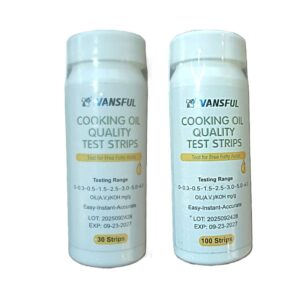
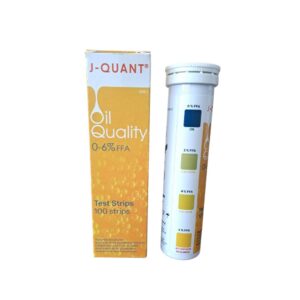
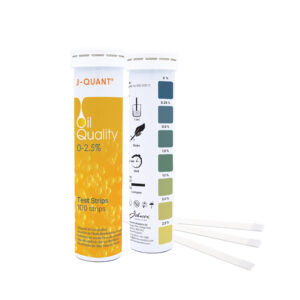
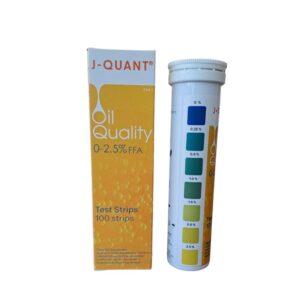
8. Oil Quality Test Strips
Oil quality test strips are rapid screening tools used to monitor frying oil condition by measuring free fatty acids (FFA). They provide fast, on-site results to help maintain oil quality, food safety, and consistent frying performance.
Benefits of oil quality test strips
• Quick and economical frying oil monitoring
• Improve oil replacement decisions
• Enhance food quality and safety
• Reduces operation costs
• Supports food safety compliance
Application of oil quality test strips
• Restaurants and commercial kitchens
• Fast food and QSR operations
• Food manufacturing frying lines
• Snack and potato chip production
• Quality control in catering and hospitality
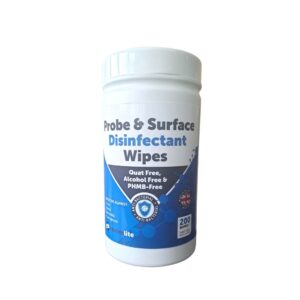
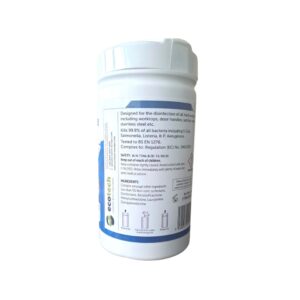
9. Probe wipes and surface swabs
Probe wipes and surface swabs are rapid hygiene monitoring tools used to verify cleanliness on food contact surfaces, equipment, and processing areas. Commonly used in food production and laboratories, they support sanitation verification by detecting contamination residues and helping maintain compliance with food safety standards.
Benefits of probe wipes and surface swabs
• Enable rapid hygiene verification
• Support HACCP and sanitation programs
• Reduce contamination and cross contact risks
• Improve overall plant hygiene and food safety
• Provide quick, on-site testing results
Application of probe wipes and surface swabs
• Testing food contact surface and equipment
• Pre-operation and post cleaning verification
• Production line and processing area monitoring
• Quality control and sanitations audits
• Restaurants, food factories, and catering facilities
10. Aflatoxin B1 and B2 test kits
Aflatoxin B1 and B2 test kits provide rapid and accurate detection of toxic mycotoxins in food, grains, nuts, spices, and animal feed. Designed for food safety laboratories and quality control departments, these test kits and analytical system ensure compliance with international regulations while protecting consumer health and preventing contaminated products from entering the supply chain
Benefits of Aflatoxin B1 and B2 test kits
• Rapid and accurate aflatoxin B1 and B2 detection
• Supports compliance with international food safety regulations
• Reduce risk of contaminated products entering the market
• Protects consumer health and brand reputation
• Suitable for on-site screening or laboratory confirmation
Application of Aflatoxin B1 and B2 test kit
• Testing of grains, cereals, and animal feed
• Quality control of nuts, spices, and dried fruits
• Import/export inspection and regulatory screening
• Food manufacturing raw material verification
• Routine mycotoxin monitoring laboratories
11. Aflatoxin M1 Rapid test kit
The aflatoxin M1 rapid test kit is a lateral flow immunoassay designed for the quick and qualitative or semi-quantitative detection of Aflatoxin M1 residues in milk and dairy products. This user-friendly test provides fast and reliable screening results within minutes, without the need for complex laboratory equipment or specialized technical expertise.
The kit is ideal for on-site testing at dairy farms, milk collection centers, processing plants, and quality control laboratories. It enables immediate decision-making to prevent contaminated products from entering the production chain.
Benefits of Aflatoxin M1 test kit
• Rapid Results – Provides results typically within 5-10 minutes.
• High Sensitivity – Detects Aflatoxin M1 at regulatory limit levels.
• Easy to Use – Simple procedure with minimal training required.
• On Site Testing – Suitable for field use without advanced laboratory instruments.
• Cost Effective Screening – Enables reliance on expensive confirmatory testing.
• Improved Quality Control – Enables early detection to prevent contaminated milk from processing.
• Regulatory Compliance Support – Helps dairy manufacturers meet local and international safety standards.
Application of Aflatoxin M1 test kit
• Rapid screening of Aflatoxin M1 in raw milk at dairy farms and milk collection centers.
• On-site testing of pasteurized milk, UHT milk, powdered milk, and other dairy products.
• Incoming raw material inspection at dairy processing plants.
• Supplier verification and risk-based testing programs.
• Pre-shipment testing to ensure compliance with regulatory limits.
12. Water activity Meters
Water activity (aw) Meters are precision instruments used to measure the free water available in the product. This measurement helps determine microbial growth, stability, product safety, and shelf life. They are widely used in food, pharmaceuticals, and quality control laboratories to ensure safety, consistency, and regular compliance.
Application of Water activity Meters
• Shelf-life prediction and stability testing
• Quality control of raw materials and finished products
• Monitoring drying and moisture control processes
• Product formulation and reformulation
• Packaging and storage evaluation
Benefits of Water activity Meters
• Improve self-life predictions
• Help prevent microbial growth and spoilage
• Enhance product safety and quality consistency
• Supports process control and formulation optimization
• Reduces waste and products recalls
• Assist in regulatory compliance
13. Refractometers
Refractometers are precision instruments used to measure the refractive index of liquids, which is commonly converted into sugar concentration (Brix). They provide fast and accurate results, making them essential for routine quality control in food and beverage production. Available in handheld and digital models, refractometers are simple to operate and require minimal sample preparation.
Application of Refractometer
Refractometers are widely used across multiple industries for fast and accurate concentration measurement. In the food and beverage industry, they measure Brix (sugar content) in juices, syrups, honey, jams, and soft drinks to ensure consistent taste and quality. In agriculture, refractometers help determine fruit ripeness by checking sugar levels in fruit sap.
In winemaking and brewing, they monitor sugar content in grape juice and wort to estimate potential alcohol levels and track fermentation progress. In manufacturing and industrial applications, refractometers measure coolant concentration in metalwork fluids and detect lubricant concentration to prevent corrosion and equipment damage.
They are also used in medical and laboratory settings to measure specific gravity in urine samples, and in aquarium and marine environments to monitor water salinity levels.
Benefits of Refractometer
Refractometers provide high accuracy and precision, with many digital models featuring automatic temperature compensation (ATC). They deliver fast results within seconds, using only a small sample volume; their portable and user-friendly design makes them ideal for field, laboratory, and production floor testing.
By enabling consistent concentration control, refractometers support quality assurance, reduce waste, improve process efficiency, and prevent equipment damage, making them a reliable tool for routine testing across industries.
14. Kjeldahl Protein Analyzers
Kjeldahl Protein Analyzers are automated laboratory instruments used to determine total nitrogen and calculate protein content in food, feed, soil, fertilizers, and wastewater samples. Based on the kjeldahl method, the system performs acid digestion, steam distillation, and titration to deliver precise and reproducible results,
Modern automated systems enhance laboratory efficiency, reduce manual handling, minimize human error, and improve operator safety compared to traditional manual kjeldahl procedures. They are widely used for quality control, research, and regulatory compliance testing.
Application of Kjeldahl Protein Analyzers
Kjeldahl Protein Analyzers are widely used in the food and beverage industry for protein determination in dairy, meat, cereals, and processed foods to ensure accurate labelling and maintain quality control. In agriculture and animal feed, they analyze nitrogen in soil and fertilizers to optimize crop yields and calculate protein content in feed, they pharmaceutical industry relies on these analyzers for precise nitrogen quantification in drugs to meet regulatory standards, while environmental monitoring applications include measuring total nitrogen in wastewater, rivers, and lakes.
The primary Benefits of Kjeldahl Protein Analyzers include high accuracy and reliability, as they are considered the gold standard for protein analysis. Automation enhances safety by minimizing exposure to hot acids and toxic fumes, while also improving efficiency with faster, consistent, and high throughput results, their versatility allows them to handle a wide range of sample types, making them an essential tool for quality control regulatory compliance, and laboratory research.
15. Colorimeters and Color Spectrophotometer
Colorimeters and Color Spectrophotometer are analytical instruments used to measure, analyze, and quantify color for quality control and product consistency. Colorimeters typically use three filters (red, green, and blue) to approximate human color perception and provide quick, cost-effective color evaluation. In contrast, color spectrophotometers measure the full visible light spectrum, enabling highly precise and detailed color analysis across different materials and surfaces.
Application of Colorimeters and Color Spectrophotometer
These instruments are widely used in manufacturing, Textiles, Paints and coatings, food and beverage production, and water testing. Colorimeters are commonly used for routine color checks such as monitoring shade consistency in textiles and dyes, verifying color stability on foods and beverages, and determining chemical concentrations like chlorine or iron in water. Color spectrophotometers are preferred for research, product development, and advanced quality control, including color formulation, metamerism analysis, and measurement of properties such as translucency, turbidity, and complex sample characteristics.
Benefits of Colorimeters and Color Spectrophotometer
Colorimeters offer fast, cost-effective, and portable testing, making them ideal for routine pass/fail quality checks in production environments. Color spectrophotometers provide higher precision and comprehensive color analysis to measure the entire visible spectrum, ensuring accurate and consistent color data across different materials, surfaces, and lighting conditions. Together, these instruments help manufacturers maintain consistent product appearance, improve quality assurance, and reduce production errors and waste.
16. Viscometer vs Rheometer – Applications, Benefits and Uses
Viscometers and rheometers are essential analytical instruments used to measure fluid flow and deformation, helping manufacturers maintain product quality, consistency, and performance. A viscometer measures the viscosity of liquid, or its resistance to flow, under fixed conditions. Because viscometers are easy to operate, cost-effective, and provide fast results, they are widely used for routine quality control (QC) to ensure batch-to-batch consistency in production. A rheometer, on the other hand, provides more advanced analysis by measuring how materials behave under different shear rates, stresses, and temperatures. These enable rheometers to evaluate complex properties such as viscoelasticity and yield stress, making them highly valuable for research, formulation development, and performance optimization of complex fluids.
The applications and benefits of Viscometers and rheometers span many industries where fluid behavior directly affects products performance. In the paints and coating industry, these instruments help analyze viscosity, levelling, and sagging behavior to ensure smooth application and uniform coating performance. In pharmaceutical manufacturing, viscosity and rheology testing are used to evaluate formulation stability, suspension properties, and the syringeability of creams, gels, and liquid medications, ensuring both safety and effectiveness. In the food and beverage industry, rheological measurements help determine the texture, consistency, and mouthfeel of products such as sauces, yogurt chocolate, and dairy products, which directly influence consumer satisfaction.
These instruments also provide significant advantages in polymers, and rubber processing, where are used to monitor curing behavior, vulcanization, and material flow during manufacturing. In the cosmetics and personal care industry, viscosity testing ensures the correct thickness, stability, and spreadability of products such as lotions, shampoos, conditioners, and toothpaste. By accurately measuring flow properties, manufacturers can improve product performance, stability, and user experience while reducing production errors and maintaining consistent quality.
Overall, viscometers provide fast and reliable viscosity measurements for routine quality control, while rheometers offer detailed analysis of complex material behavior for research and development. Together, these instruments play a critical role in improving product formulation, manufacturing efficiency, and quality assurance across a wide range of industries.
Choosing the Right instrument
Viscometer: Best when a single, quick viscosity measurement is needed, such as verifying whether a batch of oil or liquid products meets specifications during quality control.
Rheometer: Ideal when the materials show complex flow behavior, when viscosity changes with shear rate, or when it is necessary to understand how a product behaves under real-work processing and applications conditions.
FAQ – Laboratory and Food Testing Equipment
1. What is Laboratory and food testing equipment used for?
Laboratory and Food testing equipment is used to analyze the safety, quality, and composition of food products. These instruments help measure moisture, pH, viscosity, color, protein content, microbial contamination, and chemical composition, ensuring products meet regulatory standards and consumer expectations.
2. Which instruments are commonly used in food testing?
Common food testing instruments include:
• Chromatography systems for detecting additives and contaminants
• Spectrophotometers and colorimeters for color and chemical analysis
• Texture analyzers and viscometers/rheometers for consistency and viscosity testing
• Moisture analyzers and water activity meters for shelf-life evaluation
• pH meters and titrators for acidity and chemical control
• Microbiological incubators, colony counters, and PCR system for pathogen detection
• Food freeze dryers (lyophilizers) for food preservation, and sample preparation
• Rapid test kits for aflatoxin detection
• Oil quality test strips for measuring free fatty acids in cooking oils to ensure oil safety and quality.
3. How does a viscometer or rheometer help with food testing?
Viscometers and rheometers measure flow, viscosity, and texture for products such sauces, chocolate, yogurt, and oils. Ensuring product consistency, proper processing performance, and consumer satisfaction
4. Why is moisture analysis important in food testing?
Moisture content directly affects shelf life, microbial growth, product quality/ moisture analyzers and water activity meters help manufacturers maintain consistent quality and prevent spoilage.
5. How do colorimeters and spectrophotometers benefit food production?
They ensure consistent product appearance by measuring the color of food products, which is critical for consumer acceptance and brand standards.
6. Can laboratory and food testing equipment detect contaminants?
Yes, instruments like chromatography systems, PCR systems, and aflatoxin test kits can detect chemical residues, mycotoxins, and microbial contamination, helping ensure food safety and regulatory compliance.
7. Are these instruments used in all types of food industries?
Yes. Laboratory and Food testing equipment is widely used in dairy, beverages, confectionery, baked goods, oil processed foods, and raw ingredients, making it essential for quality control, R&D, and safety testing.
8. How does laboratory and food testing equipment help with regulatory compliance?
These instruments provide accurate, standardized data required by regulatory authorities such as FDA, USDA, EFSA, and ISO standards, ensuring products meet safety, quality, and labeling standards.
We provide high quality laboratory and Food Testing Equipment, as wells as analytical equipment across the United Arab Emirates, including Dubai, Abu Dhabi, Sharjah, Ajman, Umm Al Quwain, Ras Al Khaimah, Fujairah, as well as throughout GCC countries such as Saudi Arabia, Qatar (Doha), Oman, Bahrain, Kuwait. Our solutions are also available in Uzbekistan and Seychelles, and throughout East Africa, West Africa, and North Africa. We offer a comprehensive range of laboratory and Food testing instruments, including:
• Chromatography Systems
• Spectrophotometers and Spectrometers
• Microbiological Incubators
• Colony Counters
• PCR Systems
• Texture Analyzers
• Moisture Analyzers
• pH Meters and Titrators
• Food Freeze Dryers (Lyophilizers)
• Oil Quality Test Strips
• Probe wipes and surface swabs
• Aflatoxin B1 and B2 test kits
• Aflatoxin M1 Rapid test kit
• Water activity Meters
• Refractometers
• Kjeldahl Protein Analyzers
• Colorimeters and Color Spectrophotometer
• Viscometer and Rheometers.
Whether you are in Dubai, Abu Dhabi, Qatar, Oman, or East Africa, Philippines, we deliver reliable laboratory solutions for food, pharmaceutical, environmental, and chemical testing needs.
These food quality control instruments help measure viscosity, texture, moisture, pH, color, protein content, microbial safety, and chemical composition, ensuring regulatory compliance, product consistency, and optimized food processing.
Why choose Caresource Global?
Caresource Global combines quality products, reasonable pricing, fast delivery, and professional support, making us a trusted partner for Food Testing Equipment worldwide
Get in touch with Caresource Global via email, phone, or WhatsApp for reliable food testing equipment. Expert technical support, competitive pricing, and fast delivery across the GCC, Africa, the Philippines, and worldwide.
